

 +8613303827570
99.99% High Purity Gold Electrolysis From Gold Wet Way Purification
we specialize in new technology research and development, new machine research and development, technology promotion, production process and workshop design of various precious metal smelting, electrolysis and environmental protection, as well as all-round service businesses such as design and manufacturing of various professional customize equipment, overall workshop equipment installation, operator training, organization and guidance of trial production
Charactors:
(1) Casting anode plate: the crude gold raw material with 99% gold content is melted into the medium frequency smelting furnace and cast into a gold electrolytic anode plate.
(2) Electrolyte preparation and waste electrolyte recovery: gold electrolyte is prepared by dissolving pure gold in aqua regia and diluting it with hydrochloric acid aqueous solution.
(3) Electrolysis: hang the anode plate into the gold electrolysis cell and start the gold electrolysis equipment for electrolysis.
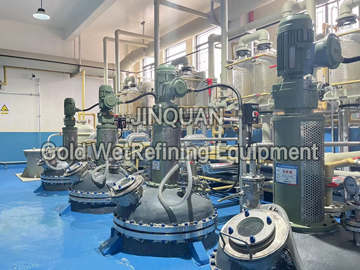
The company's high-efficiency gold electrolysis unit (as shown in the figure) is developed based on years of experience in gold refining projects and customer suggestions. It adopts integrated and integrated design. The whole machine includes a single electrolytic cell, circulating pump, rectifier power supply, automatic electrolyte replenishment system, electrolytic flue gas condensation recovery system, electrolyte temperature, voltage, current The copper bar temperature intelligent monitoring system, the rectifier power supply is closed separately, isolated from the acid gas in the workshop, and has a long service life.
With a number of domestic patents and advanced technology, it has the following advantages:
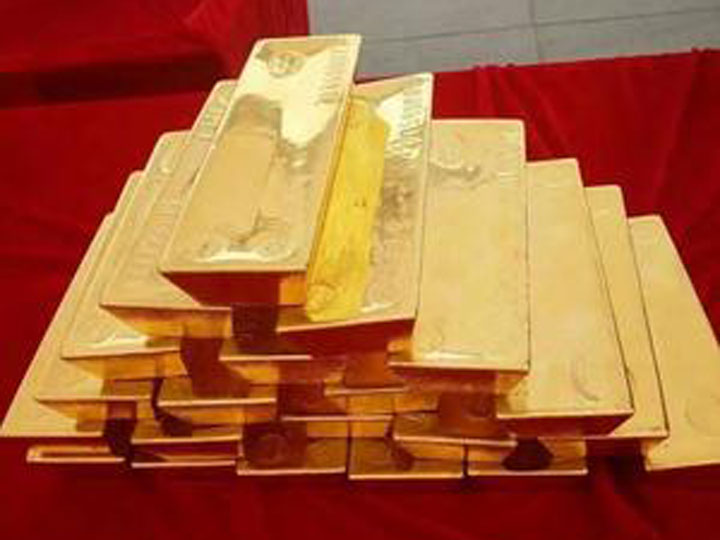
① The product quality is stable and can meet the gold ingot standard of au99.99 (grade I) of Shanghai Gold Exchange; it can also produce gold ingots with purity of 99.99% according to the special needs of customers;
② Low production cost: about 0.02 yuan / gram gold;
③ The electrolysis adopts AC / DC superimposed power supply, which can effectively inhibit the generation of silver chloride on the gold anode and make the anode plate electrolysis more thorough;
④ High current density electrolysis technology; cathode current density up to 1200A / m2, high production efficiency;
⑤ The electrolytic cell is designed with a transparent closed smoke cover to prevent smoke from escaping, which is easy to operate and beautiful;
⑥ A flue gas condensing device is set. Due to the high temperature (60-70 ℃) required by the gold electrolysis process, the flue gas condensing device can condense the reflux volatile electrolyte to avoid the loss of gold;
The main material of the equipment is high performance polypropylene material, adding anti-aging agent to the material, which greatly prolongs the service life of the equipment. The whole bracket material is PPH, and the corrosion resistance is very strong; the cathode and anode conductive bar material is titanium coated copper with excellent conductivity.
This set of gold electrolysis unit is designed with PLC automatic operation system, controlled by touch screen, and has the function of electrolytic parameter storage. When the electrolytic voltage, current and copper bar temperature are abnormal, the rectifier power supply can be directly interlocked to stop. The whole set of equipment is simple, safe and convenient.
| No | details | machine name | Specification | material | Unit | quantity |
| 1 | Gold refining complete equipment gm-jdj-3 | Electrolytic cell | Non standard; Refining capacity 3kg / D | PPH | pcs | 1 |
| 2 | Magnetic pump | MP-20RM | Fluorine lining | set | 1 | |
| 3 | Conductive copper bar | Non standard; The material is No. 1 red copper, and the specific size is according to the picture. | Red copper | set | 1 | |
| 4 | Cathode and anode conductive bars | Titanium clad copper | titanium | set | 1 | |
| 5 | Electrolytic cathode | Titanium plate (pure titanium) | titanium | set | 1 | |
| 6 | High level tank | 30L | Glass | set | 1 | |
| 7 | condenser | 1.5m2 | Glass | set | 1 | |
| 8 | Titanium screws | Rectifier power supply, heating, lighting, control panel | titanium | set | 1 | |
| 9 | Electric control system | Non standard; Material PPH | combination | set | 1 | |
| 10 | Trough support | Flat die, matching for gold electrolysis | PPH | pcs | 1 | |
| 11 | Anode mould | Specification and model | High purity graphite | set | 5 |
-
 Recovery Of Gold By Displacement With Copper WireRecovery Of Gold By Displacement With Copper Wire
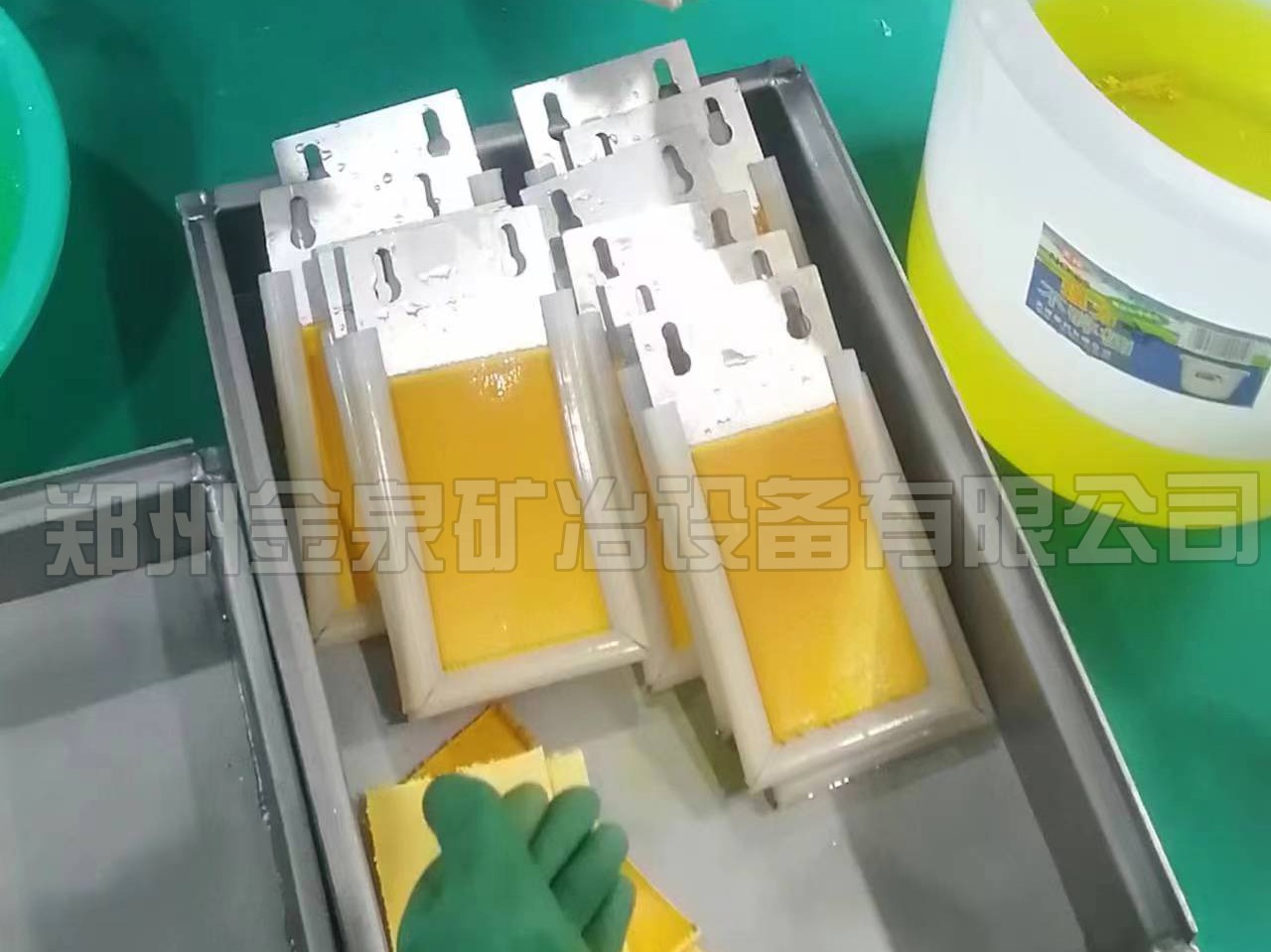
Recovery of gold by displacement with copper wire (or copper chips) under heating. For gold-containing chloride waste solutions, copper wire (or copper chips) are generally used to recover gold by displacement under heating.
In addition, the electrolytic method can be adopted to recover gold from waste plating solutions with high gold content, while for waste solutions and washing water with low gold content, activated carbon adsorption and ion exchange adsorption methods are available to recover gold.
-
 Recycling Method for Noble Metal LinersRecycling Method for Noble Metal Liners
Cleaning and Recycling Method for Noble Metal Liners In the manufacturing process of semiconductor chips, the cleaning and recycling method for noble metal liners proceeds as follows: first, the environment-friendly gold-leaching reagent solution and alkaline agents are purified, followed by complete dissolution of the surface gold plating.
Next, dissolution of other plated metals is conducted to complete the stripping of the plating layers; finally, gold is extracted and recovered, and the liner substrate undergoes ultrasonic non-destructive cleaning. The liner substrate is then dried under vacuum, and after passing the surface appearance quality inspection, it is packaged in vacuum and stored in the warehouse.
This method features the advantages of achieving noble metal recovery without damaging the liner substrate, simple and efficient operation, and safe and environmentally friendly working procedures.
-
 Gold Recovery From Gold-bearing Waste LiquorsGold Recovery From Gold-bearing Waste Liquors
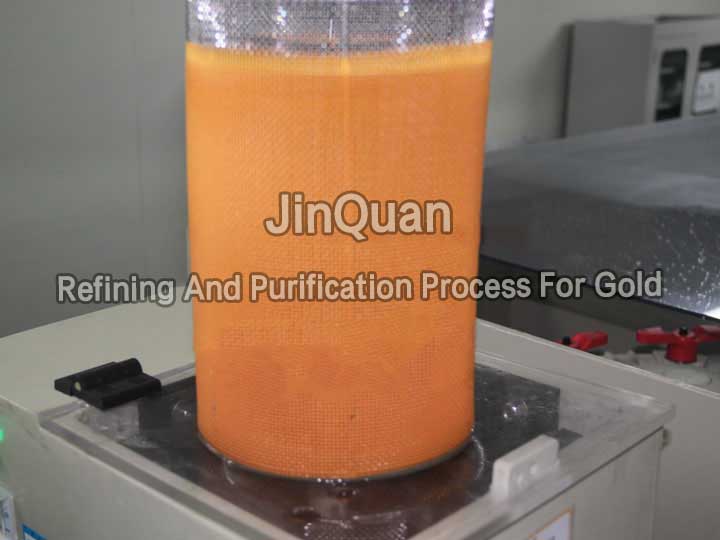
Gold-bearing waste liquors include electroplating waste effluents, which are mainly composed of waste cyanide gold plating solutions, waste ammonium gold sulfite gold plating solutions, aqua regia etching waste liquors, chlorination waste liquors, and various gold-bearing rinse waters.
Electroplating waste liquors have a relatively high gold concentration: that of acidic gold plating waste liquors generally ranges from 4 to 12 g/L, while the concentration of alkaline gold plating waste liquors can reach up to 20 g/L.
Available methods for gold recovery from gold-bearing waste liquors are as follows:
(1) Recover gold from cyanide gold-bearing waste liquors via the zinc (aluminum) cementation process, using zinc wire or zinc powder as the precipitant.
(2) Recover gold from waste ammonium gold sulfite gold plating liquors via the pH adjustment method.
(3) Recover gold from aqua regia etching waste liquors.
(4) Recover gold via heated cementation with copper wire (or copper turnings) as the precipitant.